Stanoze
"Through this work, we have sought to save our native region, Stanoze, which has remained almost unknown, from being forgotten and to revive in the hearts of our compatriots, whether they live in the diaspora or in their homeland, the memory of their ancestral town, so that they may in turn pass on to future generations the history of their ancestors and their place of origin.
For centuries, Stanoze led a prosperous and vibrant life, until the First World War emptied it of its most illustrious and devoted sons, who fell under the merciless yatagan of the Turk, as did so many Armenian villages and towns. Those who escaped this massacre were, for the most part, martyred in turn by the ferocious executioners of the Kemalist movement. Stanoze no longer exists. It is in ruins, forever erased from the map. May this book keep its memory alive in our hearts."
GARABED TERZIAN
Welcome to the Stanoze-tsi website

The purpose of this site is to gather, preserve, and transmit the memory of Stanoze, an Armenian village in central Anatolia that no longer exists.
You will find documents, photographs, testimonies, and resources for present and future generations.
I hope you find information about your family history as I have.
It is with this objective that I have the honor and pleasure of sharing with you the translation from Armenian to French of the book collected and written in 1968 by Garabed Terzian, "History of the Armenians of Stanoze.".
If you wish to contribute to the funding of this translation (€4,000), you can do so through a crowdfunding campaign accessible via the "Support the Project" section below.
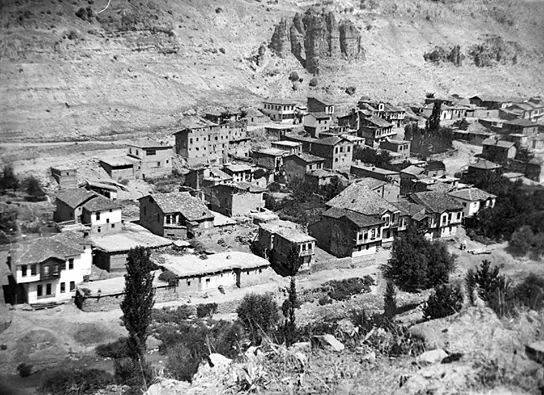
Stanoz (also found under the names "Stanos," "Stanoz," "Istanos," "Istanoz," "Opida," "Zir," Yenikent") was a village located 30 kilometers west of Angora. It had around eight hundred houses and was populated by five to six thousand souls, of whom a quarter formed the Armenian Protestant community and the rest the Armenian Gregorian community.
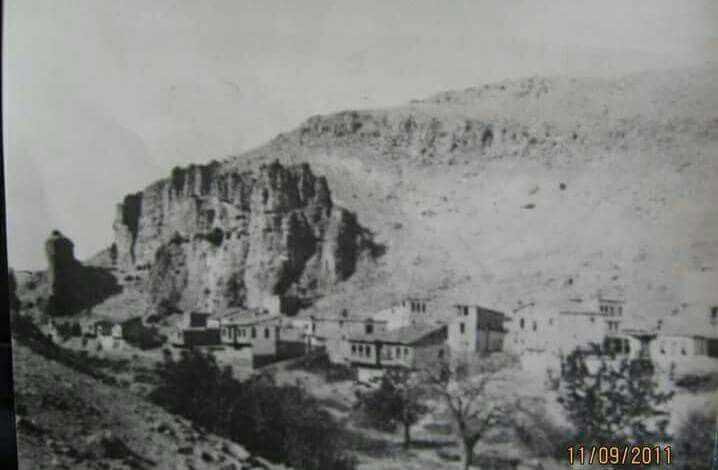
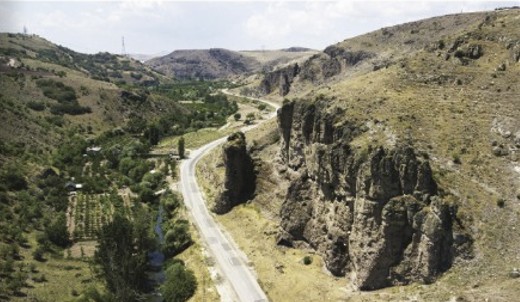
The village stretched out in a valley over seven kilometers long. On the right bank of the river and for a length of more than one kilometer, the houses lined up sometimes in one to two rows, and sometimes in five to six rows.
The valley was rugged with a few zigzag gorges of limited length.
Outside the city, on the terraced slopes, stretched orchards with delicious and succulent fruits. As for the vines, they ran alongside the lower part of the river for more than five kilometers and produced a thousand and one kinds of grapes.
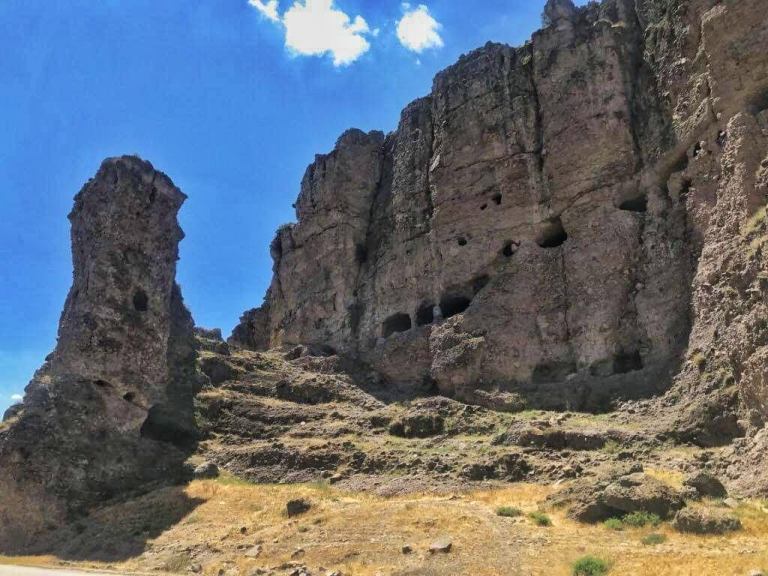
The second half of the town, still along the river's course, suddenly narrowed. Behind the houses rose gigantic rocks in which chambers were hollowed out, dating back, it is said, to the time of the Romans or even the Phrygians.
Explore the site
History of the Armenians of Stanoze
Download the book by Garabed Terzian translated from Armenian
Photos
Photo gallery of old and more recent photos of the village and its inhabitants
Videos
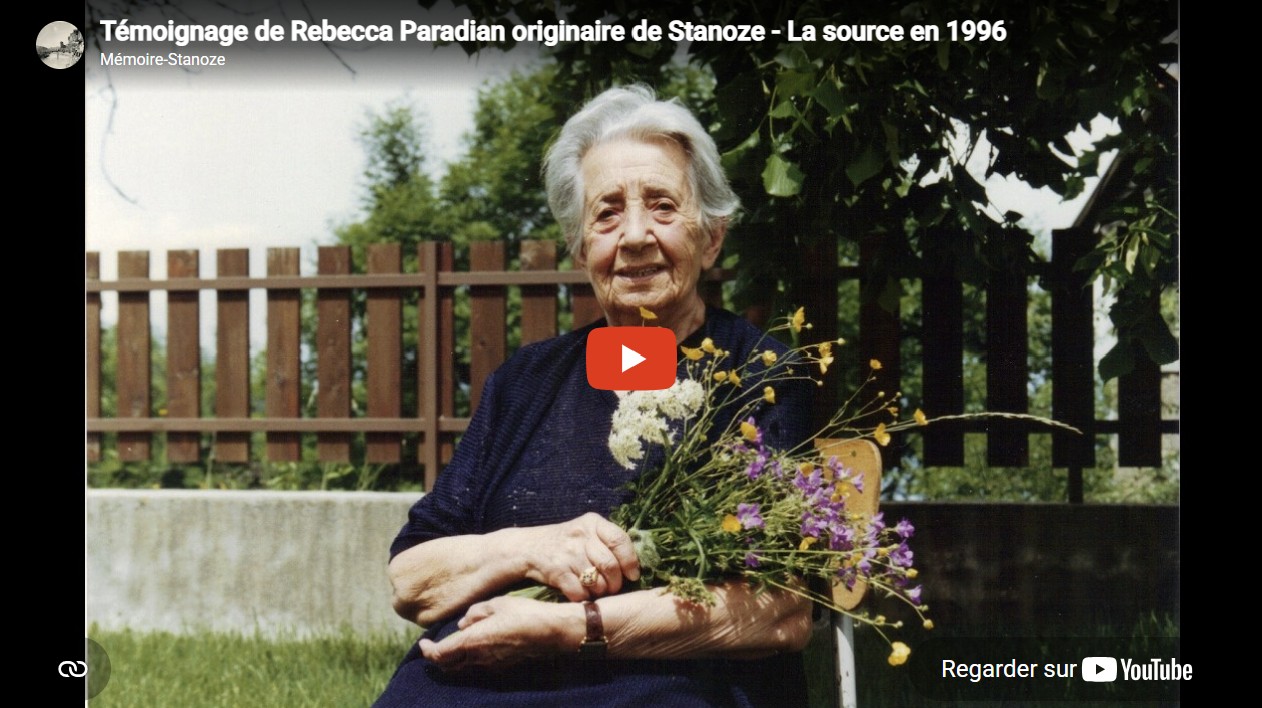
Watch video testimonials
Témoignages
Témoignages de Stanozetsi
Documents
View and download PDF documents
Ressources
Liens utiles à vos recherches
Support the project
Help me finance the translation of Garabed Terzian's book